About Meneez Foods
We are a Dutch-based supply partner for B2B buyers in Europe, helping them source high-quality Egyptian fresh produce and frozen fruit.
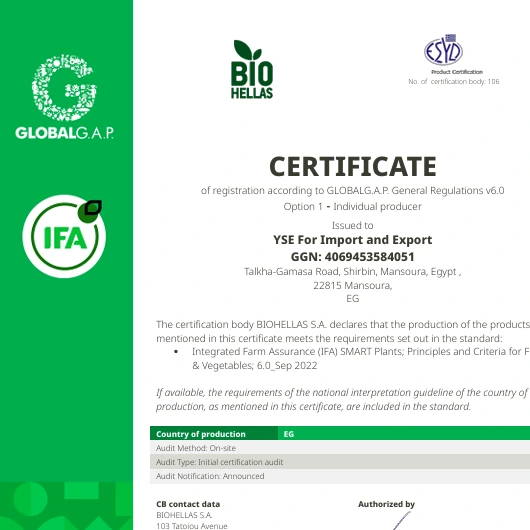
We support European importers, wholesalers, distributors, processors, foodservice buyers, and retail programs with structured sourcing, certified supplier partnerships, and local commercial follow-up in the Netherlands.
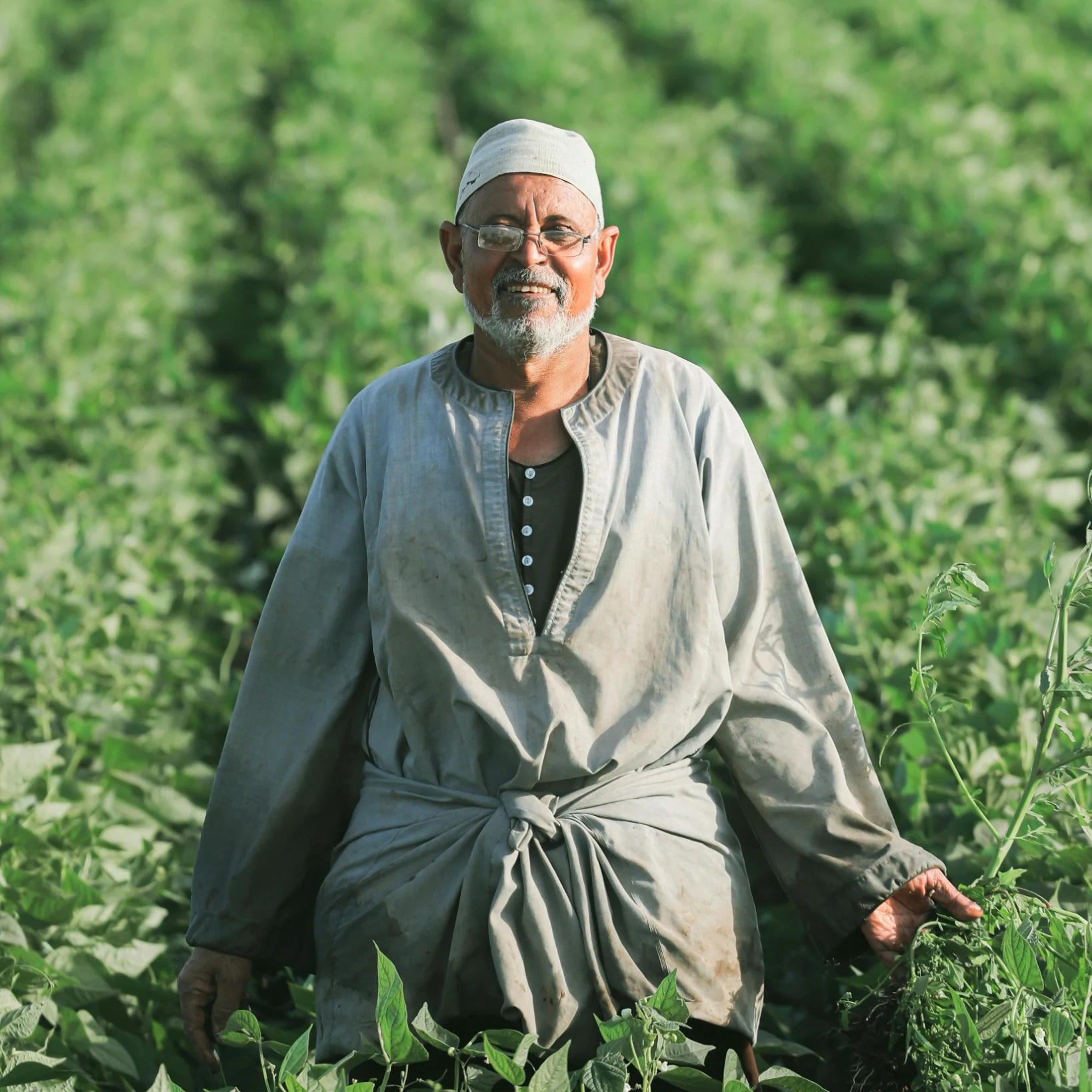
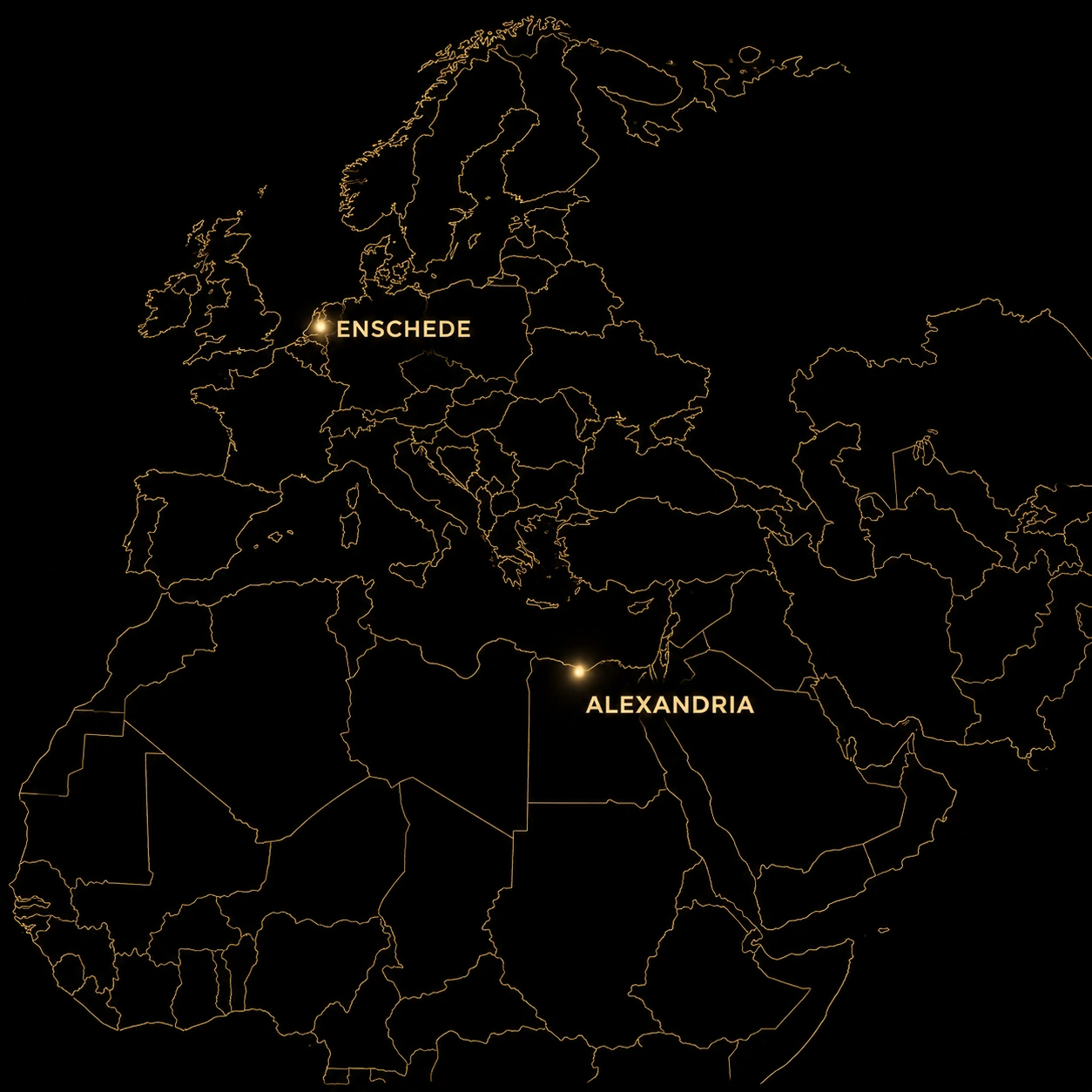
Our role is to make Egyptian supply easier to trust. Through Dutch coordination and Egyptian presence, Meneez Foods represents the suppliers, exporters, and farming communities behind the product to European buyers.
Why Meneez Foods Exists
Meneez Foods was built to help Egyptian agriculture reach European buyers with structure and trust.
Egypt is an important agricultural supply origin, supported by capable suppliers and hardworking farming communities. At the same time, European buyers need reliable communication, clear documentation, and dependable supply before making sourcing decisions.
The company exists to close that gap by making Egyptian fresh and frozen products easier to source, evaluate, and trust, while supporting Egypt’s wider role in international food supply chains and the farmers behind the product.

Mohamed Qassem
Founder, Meneez Foods
LinkedIn profileMission & Vision
The foundation behind how we connect Egyptian supply with European buyers and farming communities.
Mission
To make Egyptian fresh produce and IQF products easier for European buyers to source and trust while supporting responsible supply chains and farmer wellbeing.
Vision
To build a trusted bridge between Egyptian agriculture and Europe while contributing to the prosperity and health of farming communities in Egypt.
Why It Matters
Egyptian agricultural supply chains depend on the people behind the product. Research on agricultural workers in Egypt found pesticide residues in 58.7% of tested blood samples, with the highest exposure among spray workers at 84%.
For farming households, repeated exposure can create more than a health risk; it can lead to medical costs, lost workdays, reduced income, and wider financial pressure on families. This is why responsible supply chains must look beyond product quality alone and support safer practices, worker wellbeing, and the communities behind the supply.
Our Goals
Our goals support relevant UN Sustainable Development Goals through reliable trade, responsible supply chains, operational improvement, worker wellbeing, and partnerships.
01
Reliability
We strengthen sourcing reliability through Dutch coordination and Egyptian presence.